9 Best Film Production Equipment Picks for Beginners in 2026
This guide ranks nine picks of film production equipment for beginners across camera, sound, lighting, stability, and storage, judged on ease of use, value, impact on the finished film, and long-term usefulness. It also ranks purchases by impact, so you spend your first budget on the upgrades that improve your films most, and the camera is not first.
This list is for the newcomer who wants to shoot short films, YouTube videos, or small client jobs and would rather not buy gear they will outgrow in six months. Each pick was judged on four things: how easy it is to use, how much value it gives for the money, how much it improves the finished film, and whether it stays useful as your skills grow. The order moves from camera to sound, light, stability, and storage, but the closing section ranks purchases by impact, and the camera is not first.
Quick Comparison of the Gear Picks
- Sony ZV-E10 II: beginners who want one camera to build a kit around; body-only price near $1,000 at launch; the interchangeable lens system that grows with you.
- DJI Osmo Pocket 3: travel, vlogs, and B-roll on a small budget; around $519 at launch; a stabilized camera that fits in a pocket.
- Rode Wireless GO II: interviews and dialogue-driven films; around $299 for the two-transmitter kit; two-person wireless audio with backup recording on each transmitter.
- Rode VideoMic GO II: beginners improving audio with the smallest outlay; around $99; the cheapest step up from built-in audio, with USB for voiceover.
- Aputure Amaran 100d S: learning key-light technique; check current price; accepts standard modifiers, so one light gives many looks.
- Westcott 5-in-1 Collapsible Reflector: natural-light shoots on the tightest budget; around $50; shapes light with no power at all.
- Manfrotto Befree Live Tripod: stable, smooth shots on location; check current price; fluid-head pans and tilts at travel weight.
- DJI RS 4 Mini: moving shots once the basics are mastered; check current price; smooth walking and tracking shots with an interchangeable-lens camera.
- SanDisk Extreme PRO SD Cards: dependable storage for 4K shooting; price varies by capacity; reliable sustained write speed for 4K recording.
1. Sony ZV-E10 II
The Sony ZV-E10 II is an interchangeable-lens mirrorless camera built for video creators rather than stills shooters. It suits the beginner who expects to keep making films and wants a body that will not need replacing when the first lens feels limiting.
Its distinctive strength on this list is the lens system. Every other camera pick here has a fixed lens, but the ZV-E10 II uses Sony's E-mount, so you can start with a kit lens and later add a fast prime for blurred backgrounds or a wide zoom for interiors. That flexibility is what keeps the camera useful as your skills grow.
- APS-C sensor: a sensor larger than those in phones and compact cameras (APS-C is a mid-size format), giving cleaner low-light footage and more background blur.
- E-mount lenses: access to a large range of Sony and third-party lenses, new and used.
- 4K video: sharp footage that leaves room to crop and reframe in editing.
- Subject-tracking autofocus: keeps faces sharp when you are alone in front of the camera.
- Flip-out screen: lets you frame yourself for vlogs and talking-head shots.
It works with standard hot shoe microphones, so the Rode VideoMic GO II on this list mounts directly. The Sony Creators' App handles remote control and basic transfer from a phone. Setup is simple: charge, attach a lens, set the card, and shoot. One person runs it.
The limitations are real. There is no in-body stabilization, so handheld footage looks shaky unless the lens stabilizes or you use a tripod or gimbal. The body also sits at the upper end of beginner budgets, and a lens is a separate cost in many configurations. If you only need casual vlogs and travel clips, the Osmo Pocket 3 costs far less.
Pricing: body-only was around $1,000 at launch. Kit bundles with a lens cost more, and the price moves with the bundle and retailer promotions, so verify the current price before buying.
Best for: Beginners wanting one camera they can build a kit around.
2. DJI Osmo Pocket 3
Lead with the compromise: the DJI Osmo Pocket 3 has a fixed lens, so you cannot swap glass or control depth of field the way you can on the Sony. What you get in exchange is a camera with a built-in 3-axis gimbal that fits in a jacket pocket and produces smooth footage with almost no technique.
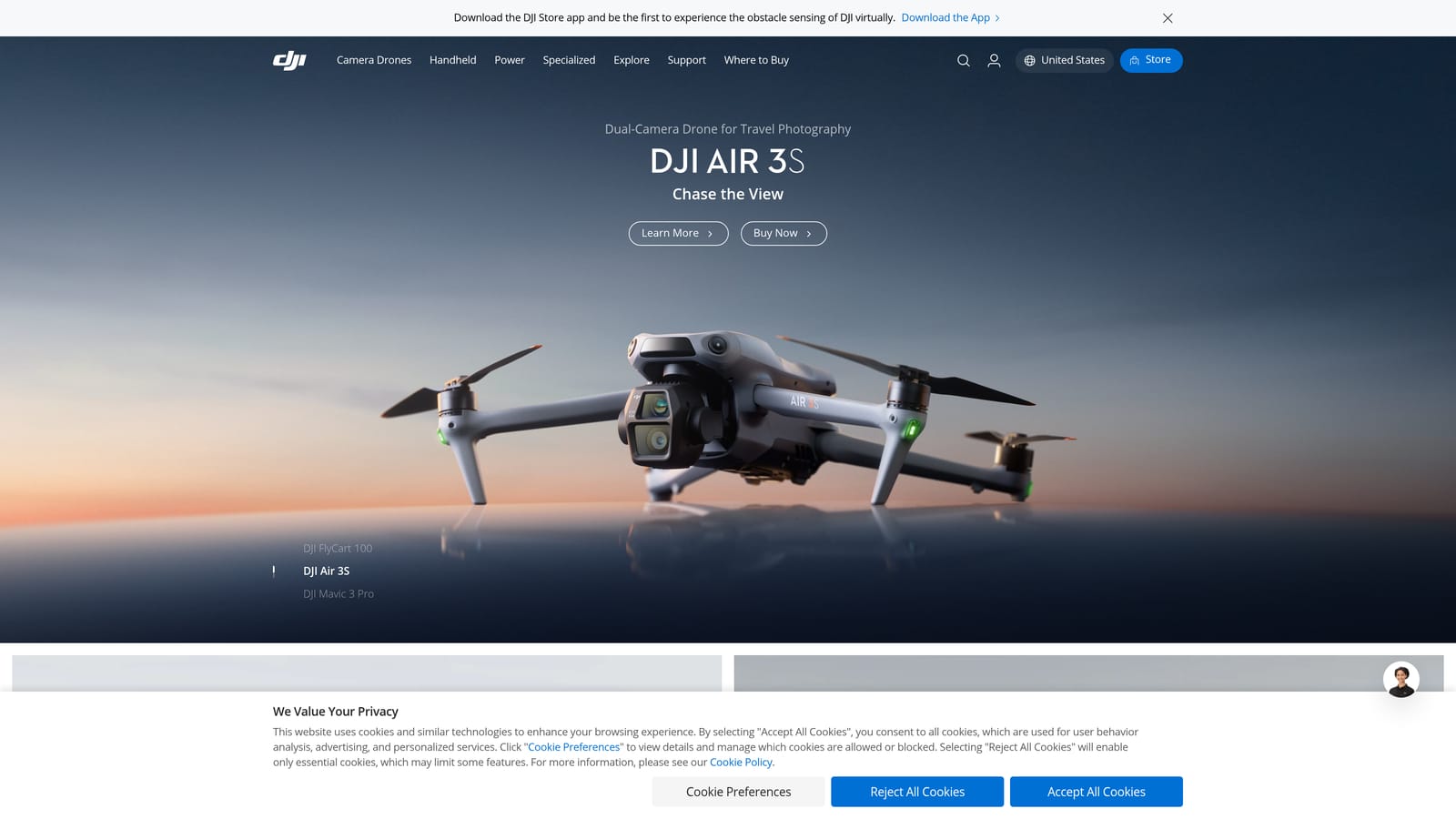
No other item here delivers stabilized video this cheaply and this compactly. Walk, turn, or move through a market and the footage glides. It is designed for vloggers, travelers, and anyone who wants B-roll without carrying a kit.
- Built-in 3-axis gimbal: removes handheld shake without a separate stabilizer.
- 1-inch sensor: noticeably better low-light quality than a typical phone or action camera.
- Rotating touchscreen: switch between horizontal and vertical framing and check shots easily.
- 4K video: detailed footage suitable for YouTube and client deliverables.
- Subject tracking: keeps a moving person centered in the frame.
The DJI Mimo app handles remote viewing and quick editing, and DJI's wireless mic accessories connect to it, which solves the weak built-in audio. Setup takes minutes, and one person can run it.
It does not suit filmmakers who want the shallow, cinematic background blur of larger sensors, or who plan to use specific lenses. Narrative work that demands precise focus control is better served by an interchangeable-lens body.
Pricing: around $519 for the standard combo at launch. The price changes with the bundle (extra batteries, mic, and handle accessories raise it), so verify the current figure.
Best for: Travel, vlogs and B-roll on a small budget.
3. Rode Wireless GO II
The Rode Wireless GO II is a compact wireless microphone system with two transmitters and one receiver, designed for interviews and dialogue. It is the item on this list that most directly fixes the thing beginners underestimate: sound that is clear because the microphone is close to the speaker.
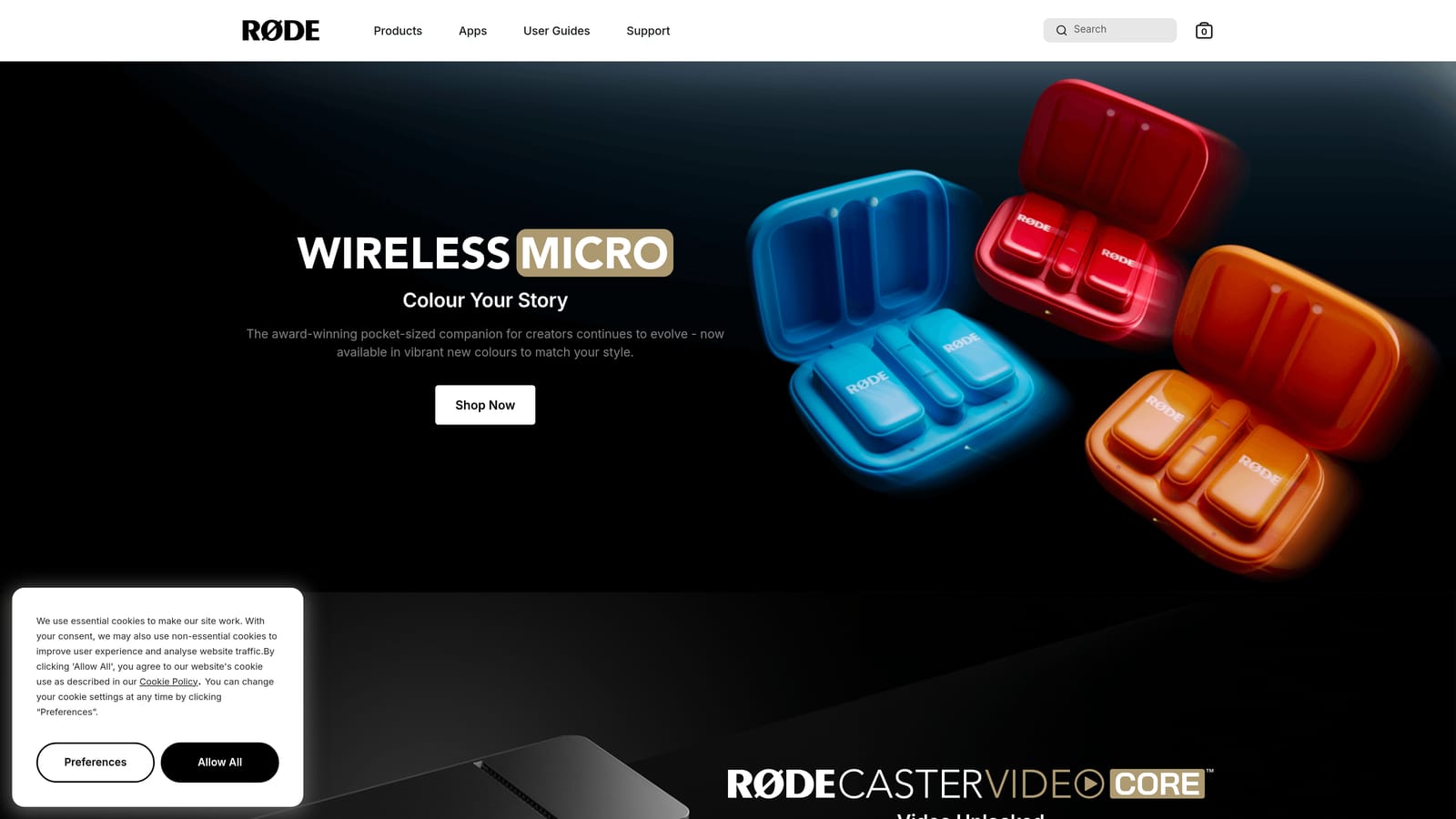
Its standout feature is backup recording. Each transmitter records audio onboard, so if the wireless signal drops or interference ruins a take, you still have a clean file. Two transmitters also let you mic two people at once into a single receiver.
What it gives you
- Two transmitters, one receiver: mic a host and guest without a second system.
- Onboard recording: a safety copy that rescues takes lost to dropouts.
- Built-in mics plus lavalier input: clip a transmitter to a collar as is, or plug in a small lavalier (a tiny clip-on mic) for a more discreet look.
- Camera and USB connection: feeds cameras directly and also works with computers and phones.
Setup and limits
It works with any camera that has a 3.5mm input and connects to computers and phones via USB or adapters. The Rode Central app manages settings and files. Pairing is quick, and one person can run it, though you must remember to charge three units.
It costs more than a wired mic and is unnecessary if you shoot silent footage or music-driven pieces. Lavalier clothing noise can also creep in if the mic is clipped carelessly.
Pricing: around $299 for the two-transmitter kit. Price rises with added lavaliers and accessories, so verify the current figure.
Best for: Interviews and dialogue-driven films.
4. Rode VideoMic GO II
The Rode VideoMic GO II is a lightweight on-camera shotgun microphone, meaning it picks up sound mostly from the direction it points. It is the cheapest meaningful step up from the tiny microphones built into cameras, and it needs no batteries to learn.
The limitation comes first because it matters most: mounted on the camera, it sits far from the subject and still catches room noise, echo, and traffic. It improves audio, but it does not replace a boom mic held just out of frame, which is the standard for narrative work.
Where it stands apart from the Wireless GO II is price and flexibility. It outputs through 3.5mm or USB-C, so the same mic that sits on your camera can plug into a computer for voiceover narration or a podcast-style recording.
- Directional shotgun pattern: favors the sound in front of the camera over what is behind it.
- 3.5mm and USB-C output: works with cameras and computers without extra hardware.
- Lightweight design: will not weigh down a small mirrorless body or gimbal.
- Shock mount: reduces the thumps and handling noise that transfer from the camera.
It works with cameras that have a 3.5mm input, and the Rode Central app adjusts settings from a computer. Setup takes a minute: slide it into the hot shoe and plug in the cable. One person runs it.
Pricing: around $99, with little that moves the price beyond bundles and retailer sales. Verify the current figure.
Best for: Beginners improving audio with the smallest outlay.
5. Aputure Amaran 100d S
The Aputure Amaran 100d S is a daylight-balanced LED light with app control, aimed at beginners learning to build a lighting setup. Daylight-balanced means it matches the color of sunlight, so it blends with window light.
Its distinctive trait on this list is the Bowens-style mount, a common fitting for professional modifiers. Attach a softbox, and a harsh point of light becomes a flattering one; swap to a different modifier, and the look changes. A single light plus a few modifiers teaches most of what you need for a key light, the main light that shapes your subject.
- Daylight-balanced LED: matches sunlight and window light, so mixed sources look consistent.
- Bluetooth app control: adjust brightness from your phone without walking to the light.
- Bowens-style modifier mount: accepts standard softboxes, domes, and reflectors you can reuse on later lights.
- AC or battery operation: use it in a studio or run it on location without mains power.
It works with standard modifiers and the Amaran app. Setup requires a light stand and a modifier, which are extra purchases, and a battery option adds cost. One person can run it, though a stand and sandbag are sensible for safety.
The limits: the color temperature is fixed at daylight, so you cannot warm it for tungsten-style interiors, and bare, it looks hard. Skip it if you only shoot outdoors in good light, where a reflector costs far less.
Pricing: check the current price. Total cost depends mainly on the modifier, stand, and battery you add.
Best for: Learning key-light technique for interviews and shorts.
6. Westcott 5-in-1 Collapsible Reflector
The Westcott 5-in-1 Collapsible Reflector is a round, foldable panel with several surfaces for bouncing and softening light. It is the only item here that needs no power, which makes it the best value for money in the list.
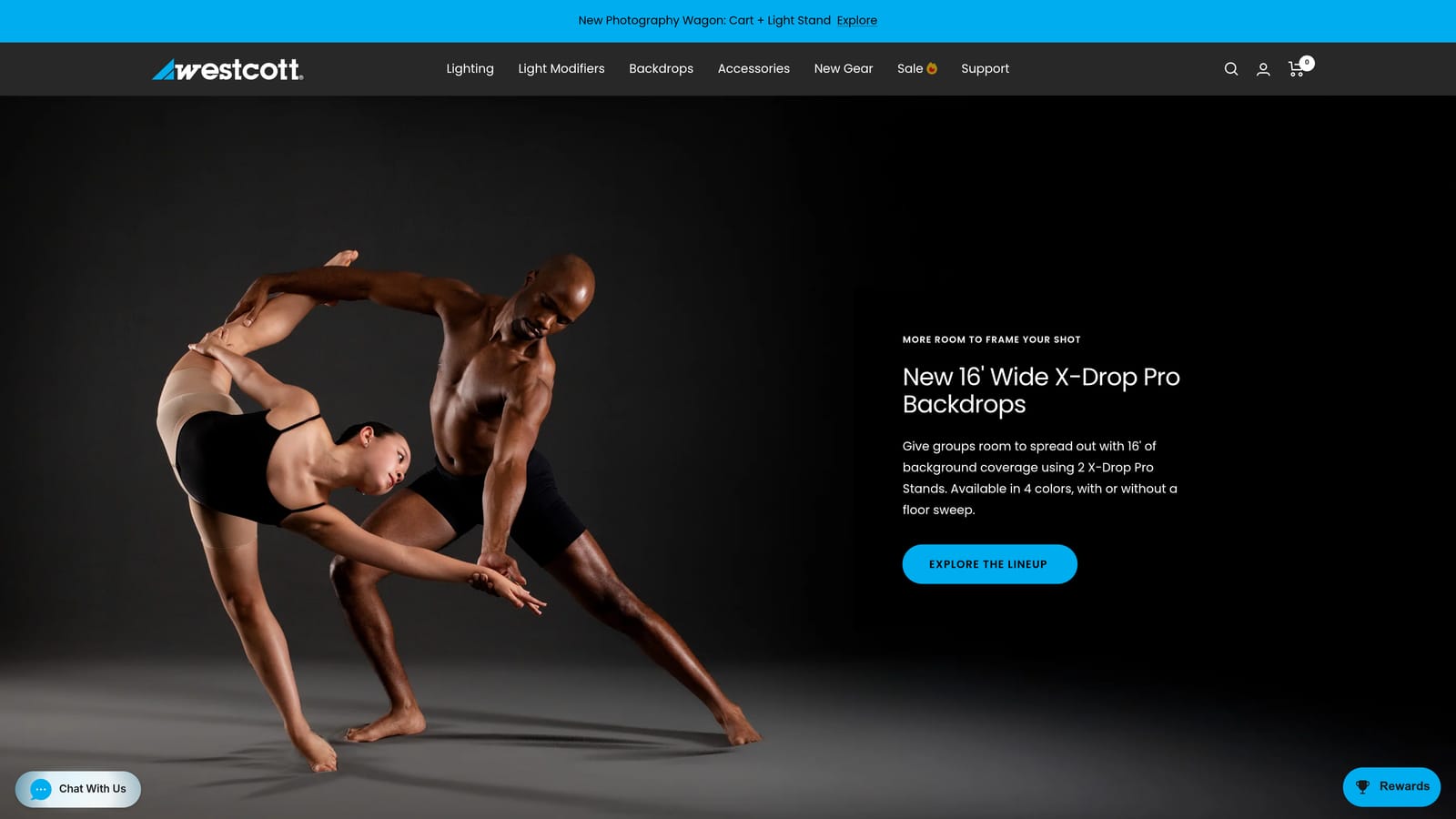
- White, silver, gold and black surfaces: white gives soft fill, silver adds a brighter, cooler kick, gold adds warmth, and black blocks light to deepen shadows.
- Translucent diffusion panel: held between the sun and your subject, it softens harsh midday light.
- Folds flat: twists down to a fraction of its size for a bag.
- Carry case: protects it and keeps the cover from unfolding in transit.
It pairs with light stands and reflector arms, so you can free your hands, though it works handheld. There is nothing to set up beyond unfolding it, and it takes practice to angle properly. Most beginners can run it themselves, but a friend holding it makes a big difference.
The limitation is obvious: it cannot create light. Indoors at night or in a dim room it does nothing without a source, and in wind a large reflector becomes a sail that needs a stand or an assistant.
It is also the cheapest way to see how light direction changes a face, which is a lesson that transfers to any lighting kit you buy later.
Pricing: around $50, with size being the main variable. Verify the current price.
Best for: Natural-light shoots on the tightest budget.
7. Manfrotto Befree Live Tripod
A fluid head is a tripod head with internal damping that makes pans and tilts glide instead of jerk, and the Manfrotto Befree Live Tripod pairs one with compact travel legs. It targets filmmakers who shoot on location and cannot carry a heavy studio tripod.
What sets it apart on this list is smoothness at a portable weight. Photo tripod heads are built for locking a camera in place, not moving it, so slow reveals and level pans are hard on them. This one is designed for video motion.
- Fluid video head: gives smooth, controlled pans and tilts that look deliberate.
- Lightweight aluminum legs: easy to carry and sturdy enough for small cameras.
- Compact folded size: fits in a backpack for travel or run-and-gun shoots.
- Quick-release plate: lets you attach and remove the camera in seconds.
It uses standard camera quick-release plates and suits mirrorless and compact DSLR cameras. Setup is trivial: extend the legs, level the head, and mount the camera. One person runs it, and the head's balance may need small adjustments with heavier lenses.
The limitation is payload. A camera with a big lens, cage, and microphone can exceed what the head holds, causing it to droop. Check the stated capacity against your loaded camera weight. Choose a heavier tripod if your rig is large.
Pricing: check the current price. It varies by model version and retailer.
Best for: Stable, smooth tripod shots on location.
8. DJI RS 4 Mini
The DJI RS 4 Mini is a handheld gimbal sized for lighter mirrorless cameras. It uses motors to cancel out hand movement, so walking and tracking shots look smooth even when you are moving.
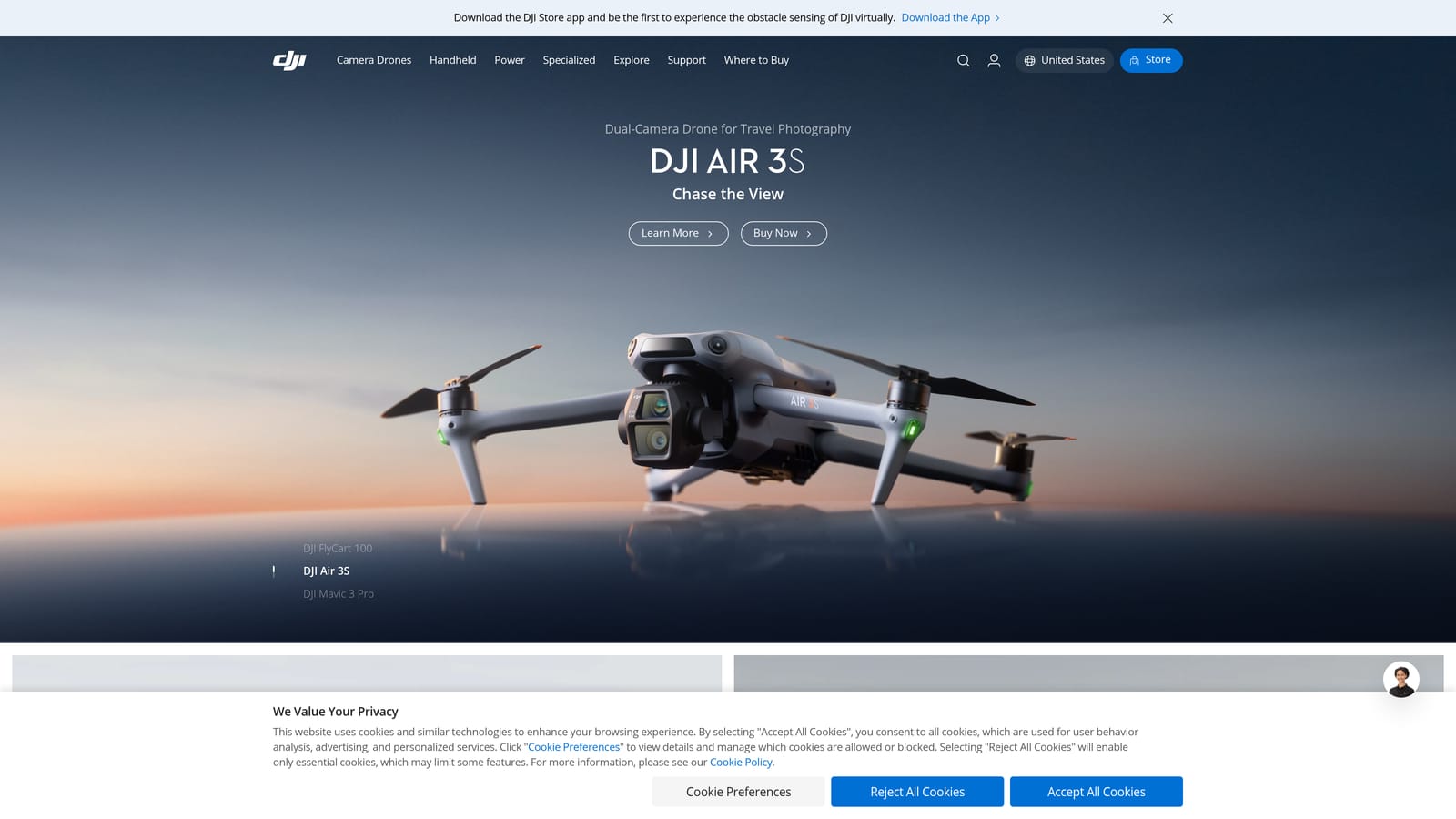
It is the one tool here that gives an interchangeable-lens camera the stabilized motion that the Osmo Pocket 3 has built in. Pairing it with the Sony ZV-E10 II, for example, produces gliding footage with the larger sensor and lens choice.
It will not rescue poor shooting. A gimbal smooths shake but not bad framing, weak ideas, or aimless movement, so learn composition on a tripod first.
- 3-axis stabilization: smooths tilt, roll, and pan for fluid walking shots.
- Compact, lightweight body: less tiring to hold across a long shoot day.
- Camera control cables: start and stop recording from the gimbal handle on supported cameras.
- Vertical shooting mode: rotates for social formats without reshooting.
It works with many mirrorless cameras through a control cable, and the DJI Ronin app handles setup and tuning. Expect a learning curve: balancing the camera on the gimbal takes patience, and setup adds time before each shoot. One person can run it, but check your camera and lens against the payload limit.
It adds weight and bulk to your bag. If you mostly shoot static interviews or sit-down videos, you will rarely use it.
Pricing: check the current price. Combo bundles with extra accessories cost more.
Best for: Moving shots once the basics are mastered.
9. SanDisk Extreme PRO SD Cards
The SanDisk Extreme PRO line of SD cards is rated for video recording, and it is the least glamorous item on this list and one of the cheapest to get wrong. A slow card can stop a recording mid-take or cause dropped frames.
These cards stand out for sustained write speed, meaning they hold a steady pace while recording continuously rather than only in short bursts. That matters for 4K, where the camera writes a lot of data every second.
- V30 video speed rating: V30 guarantees a minimum sustained write speed of 30 MB/s, enough for many 4K modes.
- High read and write speeds: shorter waits when copying footage to a computer.
- Multiple capacities: pick a size that fits a shoot day without constant card swaps.
- Water- and shock-resistant design: survives the bumps and splashes of location work.
They work in any SD-compatible camera and with standard card readers, so there is no setup beyond formatting the card in the camera. Anyone can run them.
The limitations: they cost more per gigabyte than basic cards, and some high-bitrate or high-frame-rate modes require faster cards than V30. Check your camera's manual for the speed class it recommends. Buy at least two cards so a failure does not end the day, and copy files off promptly.
Pricing: varies by capacity, and larger cards cost substantially more. Verify current prices.
Best for: Dependable storage for 4K shooting.
Which Purchases Come First, and Which Fit Your Kind of Film
A pricey camera does not make a film look professional, and built-in microphones are rarely good enough. Sound and light change the finished result more than the camera body does, so spend there first.
- YouTube and vlogging: the DJI Osmo Pocket 3 with its wireless mic option, or the Sony ZV-E10 II with the VideoMic GO II if you want lens choice.
- Narrative shorts: the Sony ZV-E10 II, the Amaran 100d S with a softbox, the Befree Live tripod, and the RS 4 Mini later for movement.
- Interviews and documentary: the Wireless GO II first, then a key light and tripod.
- Tightest budget: the VideoMic GO II, the Westcott reflector, and a decent tripod, using the camera you already own, even a phone.
A sensible order of purchase: audio first, then light, then a tripod, then storage you can trust, then a better camera, and a gimbal last. If you are unsure about a purchase, renting before buying shows whether a piece of gear earns a place in your kit.
Get the professional film equipment you need to bring your production vision to life, without the overhead of ownership. Contact us today to check availability and secure your rental for your next shoot.
Serving New England Productions
Star wagons, honeywagons, crew trailers & more — delivered anywhere in Massachusetts and New England.
Request a Quote